Skip to content

Table of Contents
Choosing between a HydraFacial and a chemical peel usually depends on what your skin needs most right now. If your skin feels dry, dull, congested, or tired, HydraFacial may be the better fit. If you want stronger resurfacing for pigment, acne marks, or texture, a chemical peel may make more sense.
At La Bonne Vie Family Healthcare & Aesthetics, we offer HydraFacial in Ville Platte, LA, along with chemical peel options including VI Peel, Cosmelan Peel, and BioRePeel. Our goal is to help you choose the treatment that fits your skin, comfort level, and schedule.
Which is better, HydraFacial or Chemical Peel?
HydraFacial is often better for hydration, glow, mild congestion, and little to no downtime, while chemical peels are often better for deeper pigmentation, acne marks, rough texture, and more visible resurfacing. The best choice depends on your skin type, your main concern, and how much recovery time you can manage.
HydraFacial Vs. Chemical Peel At A Glance
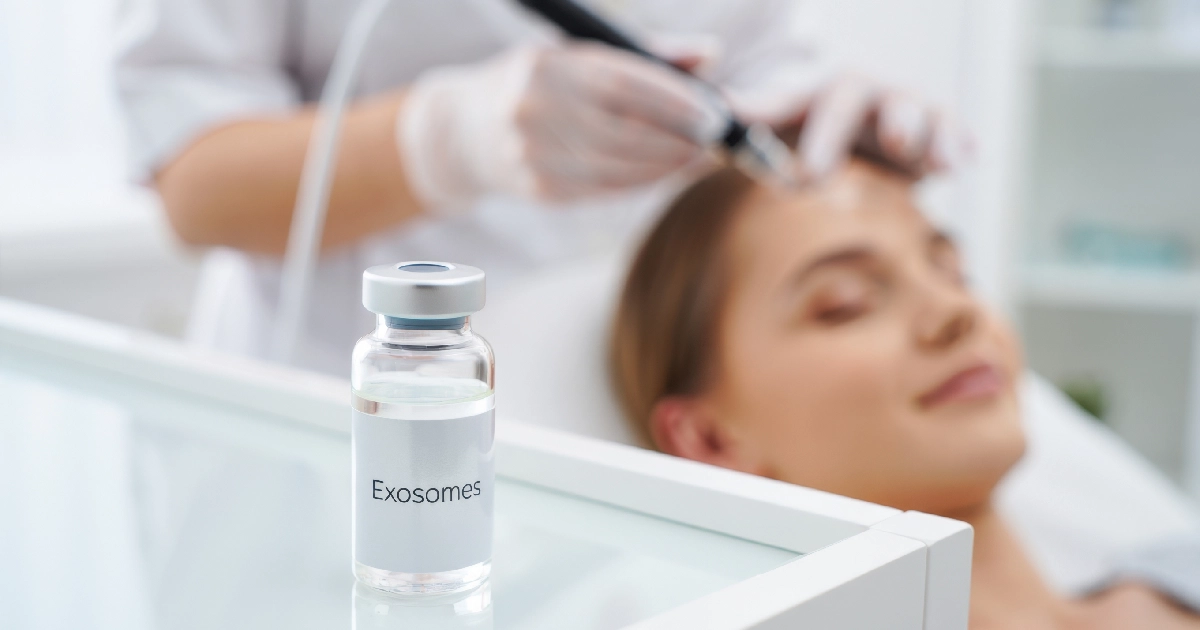
A HydraFacial cleanses, exfoliates, extracts, hydrates, and infuses the skin with antioxidant protection in one treatment. It is gentle, suitable for sensitive skin, quick, and designed to address concerns such as fine lines, oily or congested skin, sun damage, and uneven tone.
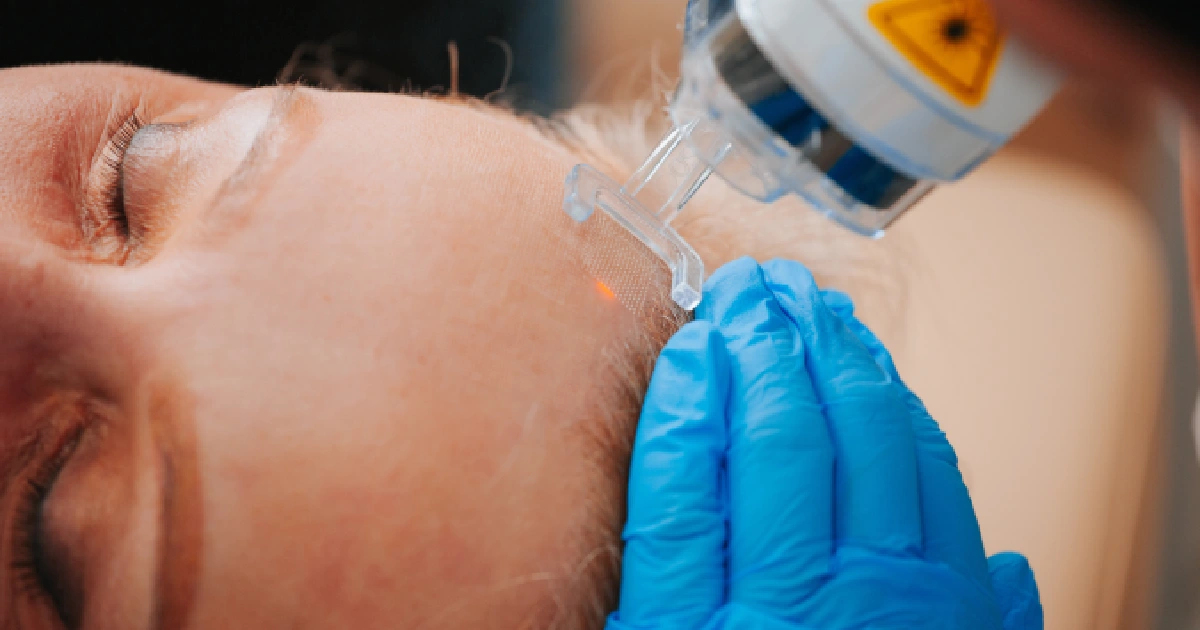
Chemical peels work differently. A chemical solution is applied to help remove the damaged outer layers of the skin, so newer skin can look smoother and more even. At La Bonne Vie, peel options include VI Peel, Cosmelan Peel, and BioRePeel.
The main difference is intensity. The HydraFacial is one of the more comfortable non-invasive facial treatments for refreshment and maintenance. Chemical peels are still nonsurgical, but they can be stronger exfoliation treatments for skin concerns that need deeper correction.
Which Treatment Matches Your Skin Goals?
For dullness, dehydration, mild clogged pores, and routine skin maintenance, HydraFacial is often a great starting point. Many patients choose HydraFacial for glowing skin because it can leave the skin looking smoother and more polished right away.
Chemical peels are often a better match for discoloration, acne marks, rough texture, sun damage, and early lines. A chemical peel for acne scars may be recommended when the goal is more resurfacing rather than a quick glow.
A simple facial treatment comparison looks like this:
A HydraFacial may suit you better if your goals are hydration, radiance, smoother-looking pores, and no planned downtime.
A chemical peel may suit you better if your goal is to improve pigmentation, acne marks, uneven texture, or visible skin renewal.
Sensitive skin needs extra care with either choice. HydraFacial is gentle and suitable for sensitive skin, while peels vary in strength and recovery time depending on the formula and depth.
Differences In Results And How Fast You See Them
HydraFacial results are usually quick. At La Bonne Vie, patients can expect radiant, more polished skin right after treatment, with texture and tone improving gradually over multiple sessions.
Chemical peel results take a little more patience. The skin may peel, flake, or feel sensitive before the smoother skin appears. Results can appear after the skin heals, often within a few days to a couple of weeks for lighter peels, while more intense peels may need longer recovery.
For HydraFacial vs. Peel results, think of HydraFacial as faster for glow and hydration, while chemical peels may be better for visible resurfacing over time.
What Downtime And Recovery Really Look Like
HydraFacial is usually easier to fit into a busy week. Treatments typically last about 30 minutes and require no downtime, so patients can return to daily activities right after.
Chemical peels can require more planning. Lighter peels may have minimal downtime, but deeper peels may involve several days of redness, peeling, flaking, and sun sensitivity. We recommend avoiding retinol and sun exposure before a peel, then using gentle skincare and sunscreen afterward.
If you have an event soon, HydraFacial is usually the safer choice for a fresh look. If you can allow time for peeling and recovery, a chemical peel may better support longer-term texture or pigment goals.
How Skin Type Affects The Best Choice
Oily and acne-prone skin may benefit from either treatment. HydraFacial can help clear congestion and oily skin, while chemical peels may help with active acne and acne scars, depending on your skin and peel type.
Sensitive or redness-prone skin may do better with HydraFacial, as it is gentle and hydrating. Stronger peels need a careful skin evaluation first.
Mature skin with fine lines, roughness, or sun damage may benefit from chemical peels when resurfacing is the goal. HydraFacial can still be helpful for hydration, smoothness, and ongoing skin health.
Can HydraFacials And Chemical Peels Work Together?
Yes, they can sometimes work well in the same long-term plan, but not on the same day unless your provider says it is appropriate. Many patients alternate treatments so the skin gets both hydration support and resurfacing over time.
HydraFacial can be useful between peels for maintenance, especially when the skin needs moisture, a smoother texture, and a healthy-looking glow. Chemical peels may be scheduled less often when the goal is more corrective improvement.
Spacing matters. Exfoliating too much or too close together can irritate the skin, so a customized plan helps protect your skin barrier while still working toward your goals.
Common Questions About HydraFacial Vs Chemical Peel
Which treatment feels more comfortable?
HydraFacial is usually more comfortable and relaxing. A chemical peel may cause tingling, warmth, or a mild burning feeling during application, depending on the peel strength.
Which option is better before an event?
HydraFacial is usually better before an event because results can look fresh quickly, and there is typically no downtime.
Can either treatment help acne breakouts?
Yes, depending on the skin. HydraFacial can help with congestion and oily skin, while chemical peels may help with acne, acne marks, and uneven texture.
How often should treatments be scheduled?
HydraFacial may be done as regular maintenance. Chemical peel timing depends on the peel type, your skin response, and your goals.
A Clearer Way To Choose
The best choice is the one that fits your skin today. HydraFacial is often ideal for hydration, glow, mild congestion, and a busy schedule. Chemical peels are often better for pigmentation, acne marks, texture, and more pronounced resurfacing. At La Bonne Vie Family Healthcare & Aesthetics, we can help you compare HydraFacial benefits with peel options so your plan feels clear and comfortable. Schedule your HydraFacial or Peel today.
Ready to choose between HydraFacial vs chemical peel with guidance from our team? Contact La Bonne Vie Family Healthcare & Aesthetics in Ville Platte, LA to schedule your consultation.